In Uttar Pradesh (UP), one of India’s largest and most complex legal landscapes, the gaps within the juvenile justice system are far from theoretical; they are a lived reality. These challenges are visible in everyday realities: overcrowded observation homes, delayed court processes, and children remaining in detention longer than they should.
For over a decade, iProbono India has worked to expand access to justice across the country. While much of this work has been concentrated in metropolitan centres, with some interventions in regions such as Jammu and Kashmir, Jharkhand and Rajasthan, reaching the ten-year milestone prompted an important question: where is our work needed most today? The answer pointed clearly towards UP.
Despite its size and need, there remains a significant lack of civil society organisations working on juvenile justice in the state. At the same time, iProbono India recognised the need to move beyond Tier 1 cities. While places like Delhi, Mumbai, and Bengaluru benefit from relatively stronger institutional presence and awareness, many Tier 2 and Tier 3 cities continue to lack even basic engagement with issues of juvenile justice.
In UP, systemic challenges are both visible and persistent. Government data indicates that observation homes across the state are frequently operating beyond capacity. Children are often institutionalised not only due to the nature of the alleged offence, but also because of limited access to quality legal representation and gaps in the implementation of the Juvenile Justice (Care and Protection of Children) Act, 2015. Bail exists in law, but remains inaccessible for many in practice.
At the same time, families are often unaware of their rights. Institutions are stretched thin, and time, one of the most critical factors in a child’s life, often works against them instead of in their favour. Delays in age determination, slow-moving bail processes, and repeated adjournments can keep children in detention far longer than deserved. What should be a period of rehabilitation instead becomes one of uncertainty, disrupted education, and prolonged exposure to institutional care. These challenges point to a deeper issue: the law itself is not inadequate, but its implementation remains inconsistent.
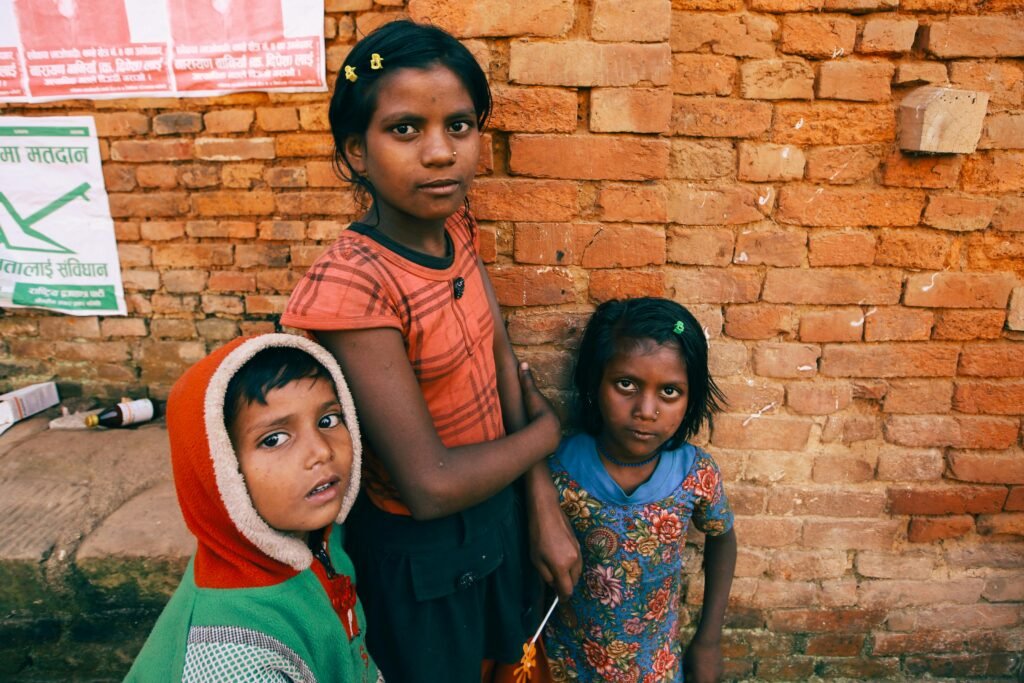
Uttar Pradesh, with its scale and diversity, represents both a challenge and an opportunity. According to the National Crime Records Bureau (2022), between 2021 and 2023, Uttar Pradesh recorded a total of 4,410 children in conflict with the law, averaging approximately 1,470 children each year. Recent trends suggest that this number continues to rise, pointing to an increasing number of children entering an already strained juvenile justice system.
Strengthening systems here has the potential to create far-reaching and transformative impact not only for the state, but as a model for other regions facing similar issues. This is what led iProbono India to focus its efforts in Uttar Pradesh, starting from Lucknow and Barabanki.
Our initial presence in the state allowed us to look beyond the surface; through dedicated research and frontline conversations, we began to uncover the specific structural barriers that hinder justice for children:
- Delays in age determination that directly impact case outcomes
- Bail processes tied to financial sureties, excluding children from low-income families
- Limited legal awareness among children and their families
- Overburdened institutions leading to procedural delays
- Detention periods that extend beyond what the law intends
iProbono India’s response: building an integrated juvenile justice model
iProbono India’s expansion into Uttar Pradesh is designed as a multi-layered intervention, addressing legal, institutional, and rehabilitative gaps simultaneously.
1. Legal representation and case intervention
iProbono India is currently providing legal representation to children in conflict with law (CCL) and children in need of care and protection (CNCP) across 15 cases in Uttar Pradesh. Our approach to litigation goes beyond individual case outcomes, we strategically engage with each case to strengthen systemic practices within the juvenile justice system.
Each intervention is designed to demonstrate and institutionalise good practices. For instance, applications under Section 19 of the Juvenile Justice (Care and Protection of Children) Act, 2015 are rarely filed before Children’s Courts. In one of our cases, we filed such an application and are actively engaging with the Court to support a clearer understanding of its scope and purpose. This process has involved working closely not only with the presiding judge but also with the Public Prosecutor, with the aim of embedding this as a standard practice in future cases.
In another instance, we identified that the names of children in conflict with law were being displayed on court cause lists, in violation of the principle of confidentiality enshrined in the Act. We have filed an application seeking the removal of children’s names from cause lists, reinforcing the importance of child protection norms within judicial processes.
Through such targeted interventions, we aim to ensure that individual cases contribute to broader systemic change strengthening child-sensitive practices within the justice system and safeguarding the rights of every child who comes into contact with it.
2. Strengthening institutional capacity
To ensure long-term systemic change, we work to enhance the capacity of key stakeholders across the justice system:
- 49 lawyers trained in Pratapgarh on the JJ Act
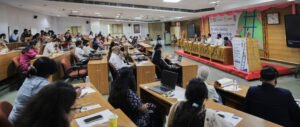
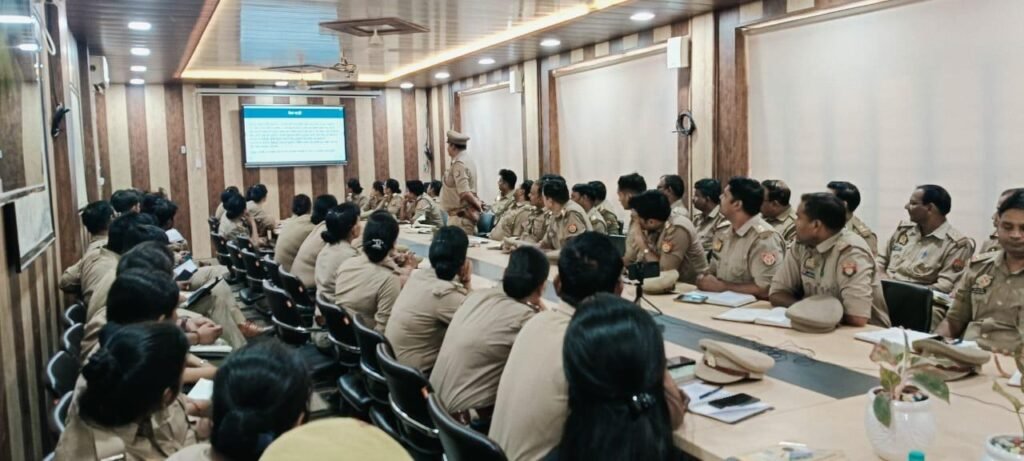
- 80+ police officials trained in Lucknow in collaboration with UNICEF and UP Police
- 600 police and government officials trained across 11 districts in the Gorakhpur Zone
- Capacity-building sessions conducted in Jalaun on the Protection of Children from Sexual Offences Act in partnership with Prayas
- Staff training of observation home
3. Rehabilitation and psychosocial support
Recognising that legal intervention alone is insufficient, iProbono India integrates rehabilitation into its approach:
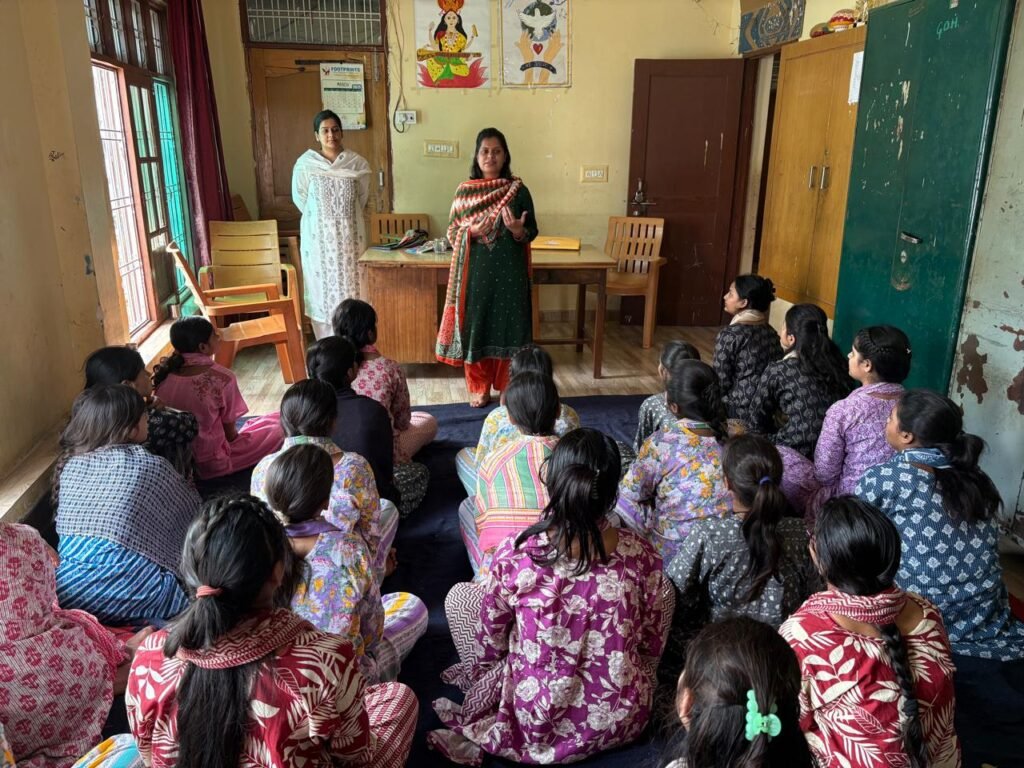
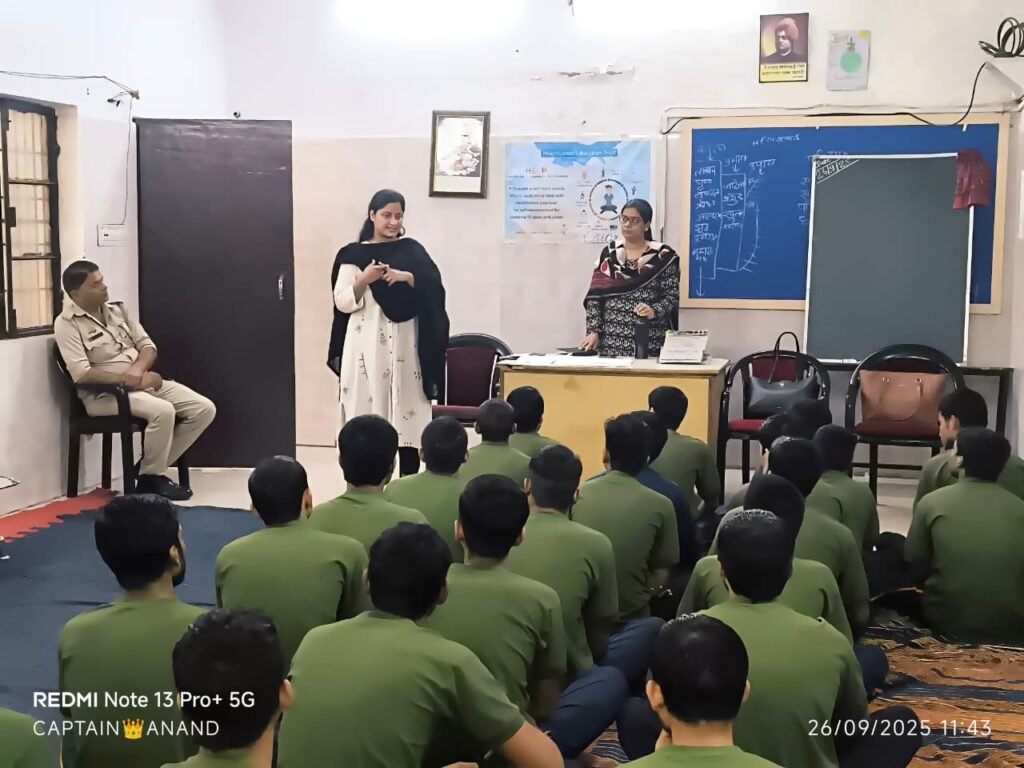
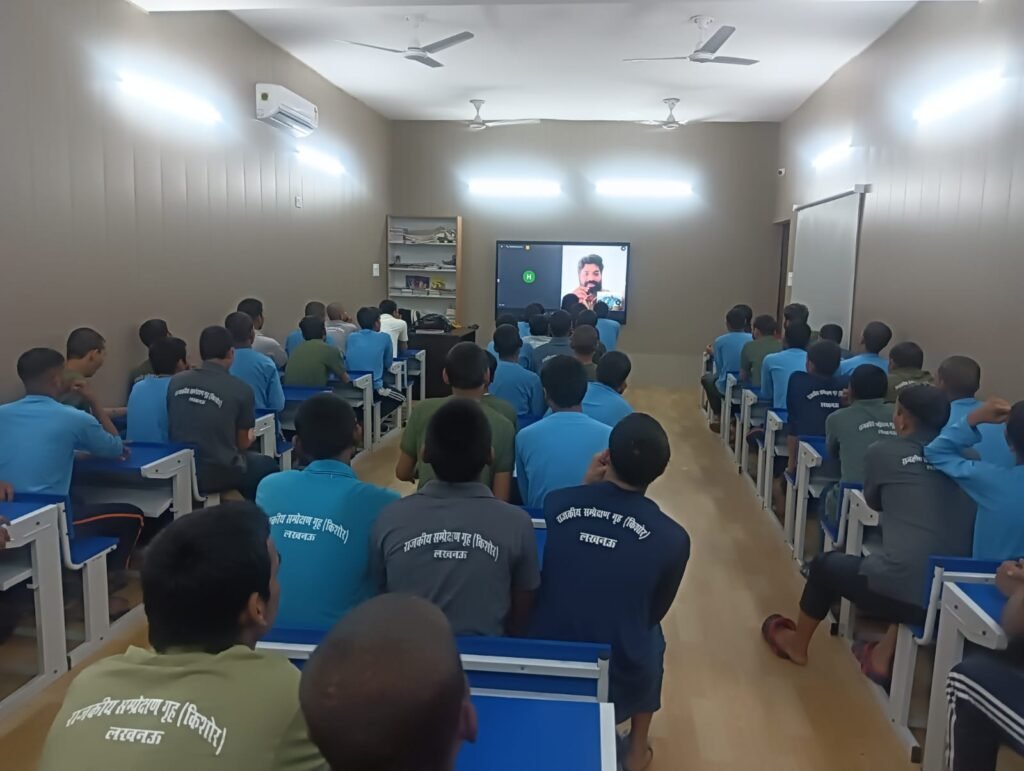
- Educational support provided to children from class IX-XII, through volunteers who are pursuing their B.Tech from prestigious colleges like Delhi Technological University and IIT BHU
- Psychosocial support provided to 120 children, including counselling and art-based therapy
- Collaboration with University of Lucknow, where 20 Social Work students assist Probation Officers in drafting 140 Individual Care Plans (ICPs)
- Performative arts are also being provided to ensure that children are able to express themselves better.
Looking ahead: closing the gap between law and lived reality
Our work in the state demonstrates that true reform in juvenile justice requires moving beyond isolated fixes toward a cohesive, systemic model. The aim is to eliminate economic barriers through robust pro bono representation, while integrating institutional training for child-sensitive procedures and rehabilitation frameworks centered on mental health and education. This holistic approach would ensure that a child’s freedom is never dictated by their socio-economic status, bridging the gap between the courtroom and the community to transform the system into a supportive pathway for successful reintegration.
The work continues with a clear focus: securing a justice system that provides every child with timely intervention, procedural fairness, and comprehensive care. To learn more about our work in Uttar Pradesh or to collaborate with us, write to communications@i-probono.com