Mona* was 13 years old when the police picked her up in Lucknow in 2016 in connection with a heinous offence. The ordeal that followed violated her rights and India’s child protection laws.
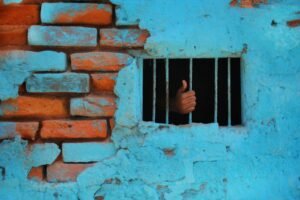
For more than three years, from the age of 13 to 16, Mona was incarcerated in a prison meant for adults. The law is clear. Under the Juvenile Justice (Care and Protection of Children) Act, 2015, children cannot be placed in police lock-ups or prisons. They are meant to be placed in child care institutions specifically for children who are accused of or guilty of crimes. If someone appears to be a child, authorities are required to treat them as one until age verification is completed.
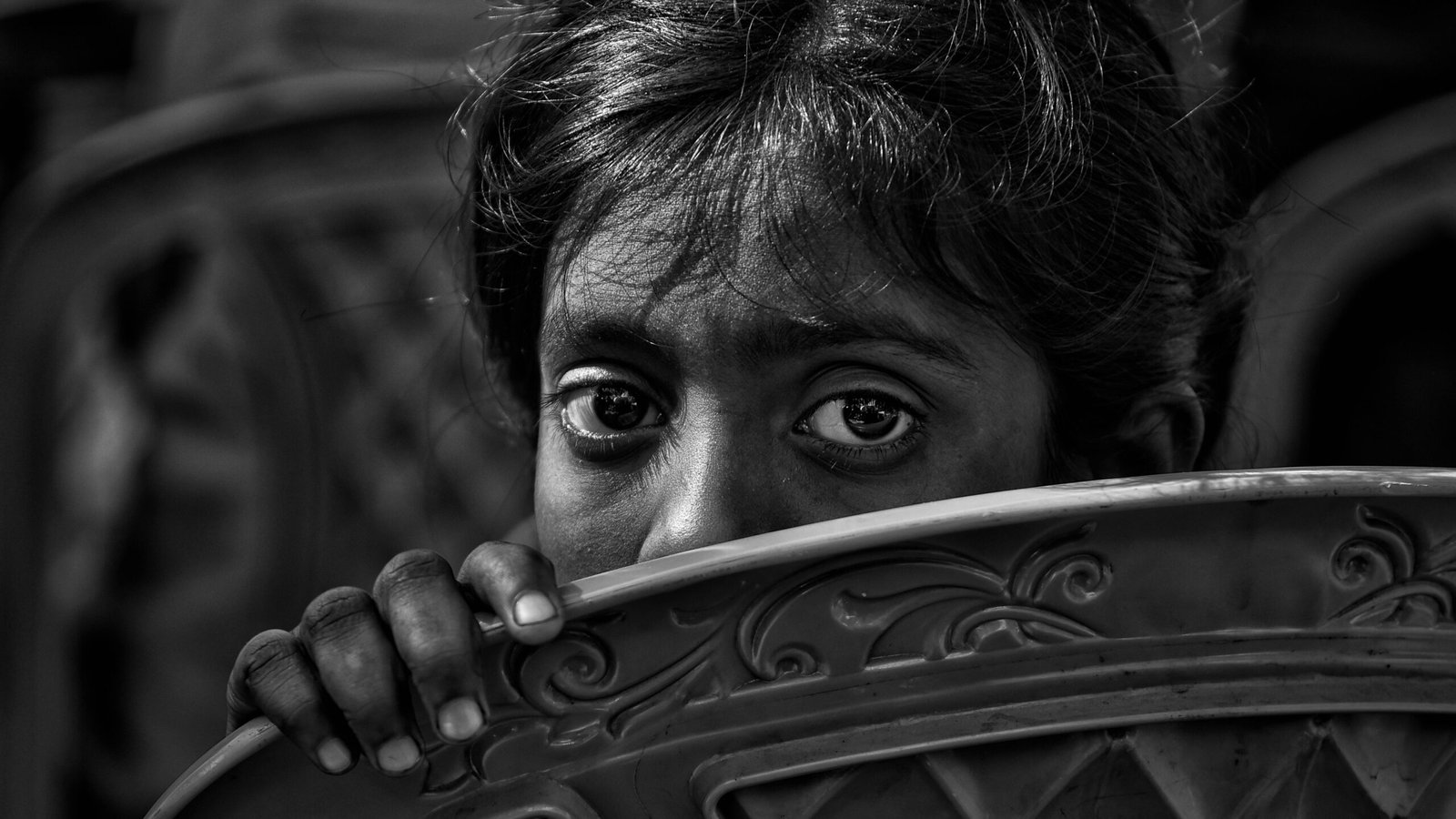
Mona was unmistakably a child. Yet from the moment she entered the system, the protections meant to safeguard her began to unravel.
Years spent proving the obvious
After her arrest in 2016, instead of being brought before the Juvenile Justice Board (JJB), Mona’s case was sent through the regular criminal justice system while she was detained in an adult jail. Her age was not verified as required by law.
Eventually, her lawyer intervened in 2017 to move her case before the JJB. When the JJB finally examined her school records in 2018, it confirmed what should have been apparent from the beginning: Mona was a child at the time of the alleged offence.
That should have settled the matter. Instead, on a technical ground, the JJB later set aside its own order and transferred the case back to the sessions court.
For nearly four years, Mona’s case moved back and forth between different courts. Only in 2020 did the sessions court restore the age determination order. By then, Mona had already spent more than three years in adult custody.
Three years.
Under India’s juvenile justice framework, even a child found guilty of a heinous offence cannot ordinarily be kept in a special home for longer than that period.
Mona had spent that long in prison before the system could even decide where her case belonged.
The years she could not get back
On paper, children in conflict with the law are entitled to care, education, counselling, rehabilitation and support. The Juvenile Justice Act is built on a simple principle: children should be given an opportunity to learn, grow and rebuild their lives.
Mona received none of those things.
She lost years that should have been spent in school. Years that should have been spent with her family. Years that should have prepared her for adulthood.
Instead, they were consumed by hearings, transfers and delays.
After nearly a decade of navigating the criminal justice system, Mona chose to plead guilty. She continues to maintain that she did not commit the offence she was accused of.
But after spending her adolescence in custody and her young adulthood waiting for justice, the legal process itself had become the punishment. Pleading guilty was no longer about accepting responsibility. It was about bringing an end to years of uncertainty, delay and a fight that had already taken so much from her.
More than one child’s story
An RTI-based study by iProbono India revealed that at least 9,681 children were wrongly incarcerated in adult prisons across India between 2016 and 2021, despite legal mandates prohibiting the practice.
Mona’s case is extraordinary in its facts, but not in what it reveals.
Across India, children continue to be wrongly treated as adults, denied timely age determination, or trapped in prolonged legal proceedings. Children from marginalised communities often face even greater barriers.
The higher judiciary has repeatedly recognised the dangers of prolonged proceedings involving children. Courts have warned that delays undermine the rehabilitative purpose of the Juvenile Justice Act and threaten children’s rights to dignity and a speedy trial. Experts have observed that incarceration is more likely to result in recidivism, as children’s lives get derailed from the ordinary course, many lose faith in the system, and many feel that gangs are the only source of protection available to them.
iProbono India’s work in Uttar Pradesh
Mona’s case reflects why strengthening the juvenile justice system remains urgent.
Through its work in Uttar Pradesh, iProbono India supports children in conflict with the law through legal representation, capacity building and systemic reform efforts. By working with lawyers, justice institutions and child protection stakeholders, iProbono India seeks to ensure that children receive the protections guaranteed to them under law.
Our goal is to ensure that the safeguards contained in the Juvenile Justice Act do not remain safeguards only on paper.
Our work includes advocating for timely and appropriate age determination procedures, stronger implementation of the safeguards guaranteed under the Juvenile Justice Act, and ensuring that no child is ever treated as an adult because of systemic delays or failures. We also work towards greater accountability by encouraging institutions to document, monitor and address violations that deprive children of their rights.
Most importantly, our work seeks to ensure that the justice system recognises the harm caused by delay. No court order can give Mona back the years she spent in prison.
The Juvenile Justice Act was created because children deserve a chance to grow beyond their mistakes, accusations and circumstances.
That promise meant little to Mona.
It should not mean little to the next child.
*Name changed to protect privacy.