Back to Our Work
Ten Years On: Is India’s Juvenile Justice System Truly Child-Centred?
Ten years after the Juvenile Justice (Care and Protection of Children) Act, 2015 came into force, we are left asking not only whether India has a progressive legal framework for children in conflict with the law, but also whether that framework is working as intended.
Are children being treated as children at every stage of the justice process? Are legal safeguards translating into practice? Are decisions being informed by evidence, expertise and the best interests of the child? And, critically, are systems designed to rehabilitate children, or do they continue to reproduce punitive approaches under a different framework?
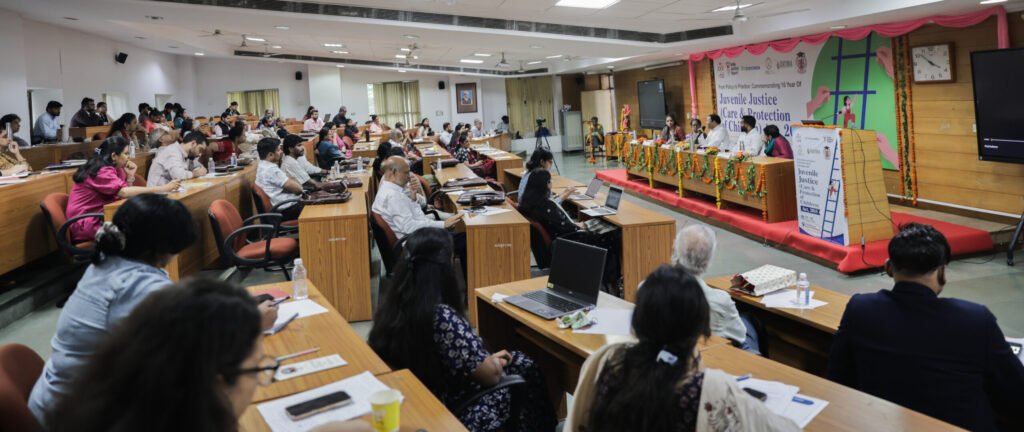
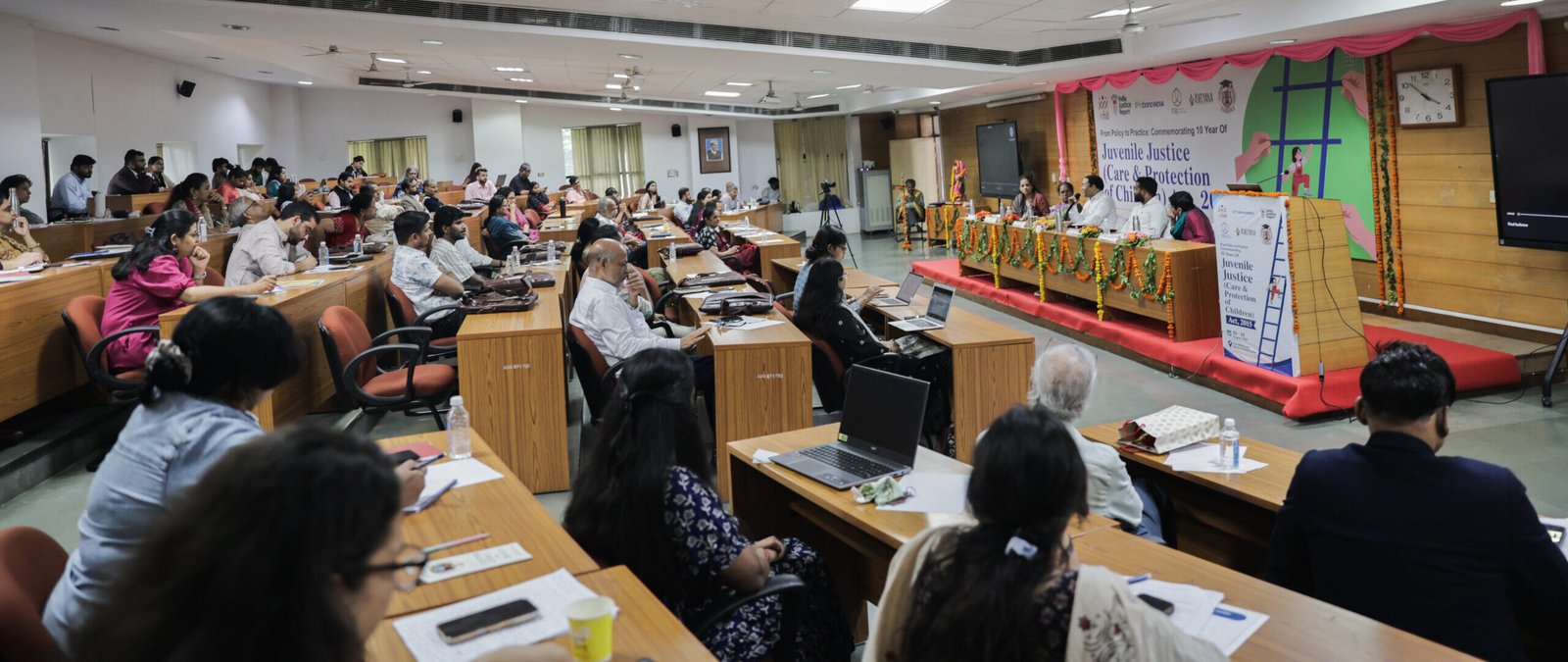
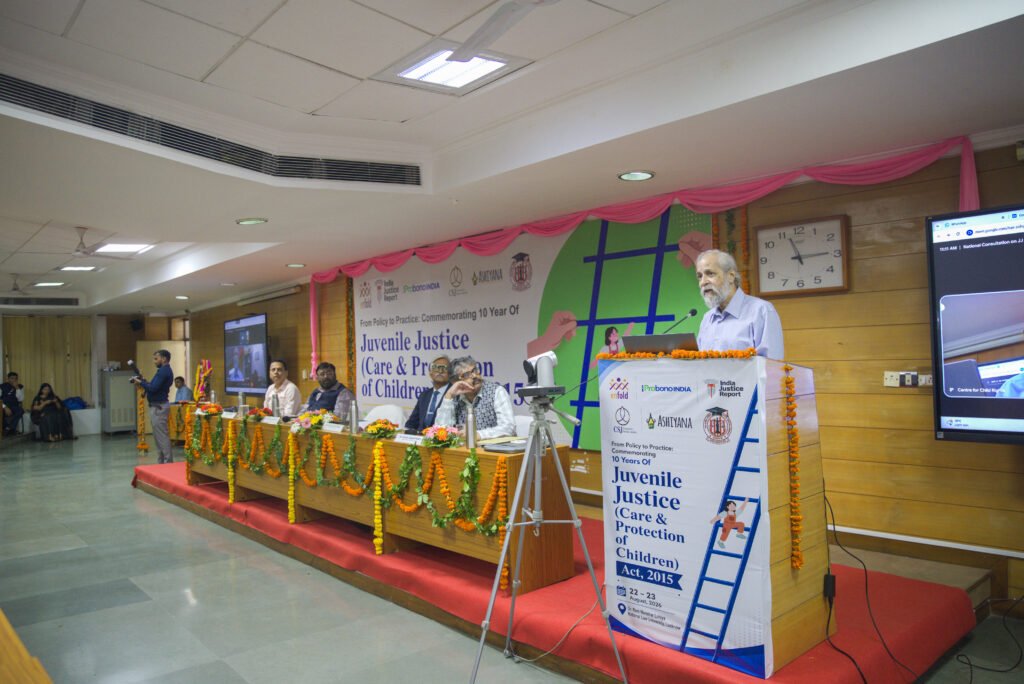
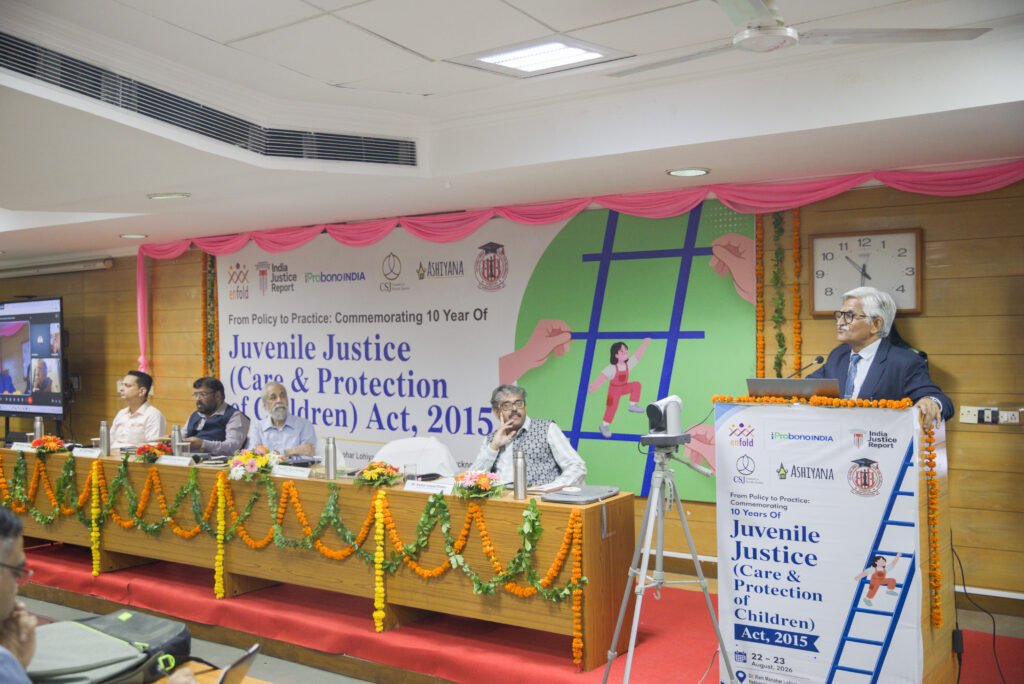
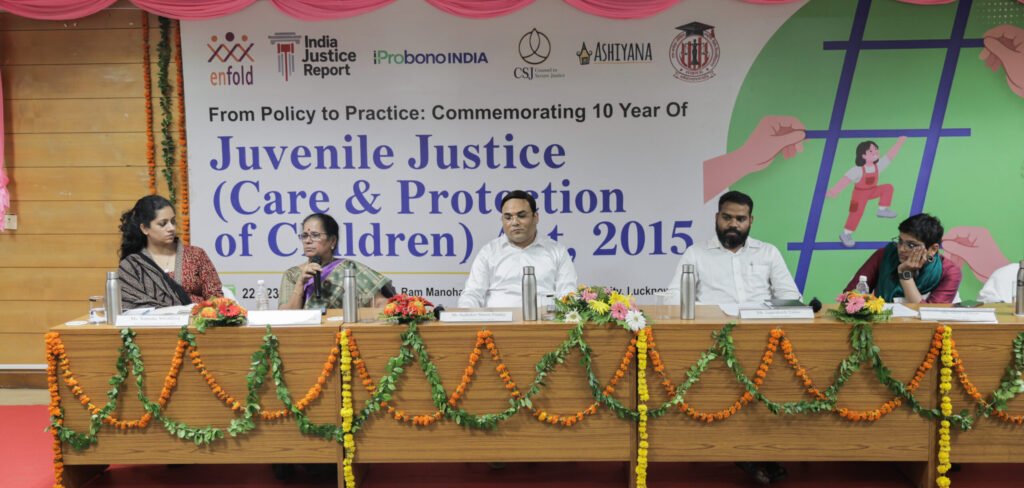
These questions were at the heart of the two-day National Consultation, “From Policy to Practice: Commemorating 10 Years of the Juvenile Justice (Care and Protection of Children) Act, 2015,” held at Dr Ram Manohar Lohiya National Law University (RMLNLU), Lucknow, on 22–23 August 2026. The consultation was co-hosted by iProbono India, Enfold, Counsel to Secure Justice, Ashiyana, India Justice Report, along with RMLNLU.
The consultation was inaugurated by Hon’ble Mr. Justice (Retd.) Madan B. Lokur, former Judge of the Supreme Court of India. The inaugural session also featured Hon’ble Mr. Justice (Retd.) Sudhir Kumar Saxena, Ms. Anupama Nilekar Chandra, Director General (Investigation), National Human Rights Commission, Sri Lalit Mudgal, Director, Prosecution Directorate, Uttar Pradesh, and Prof. (Dr.) Amar Pal Singh, Vice-Chancellor, RMLNLU.
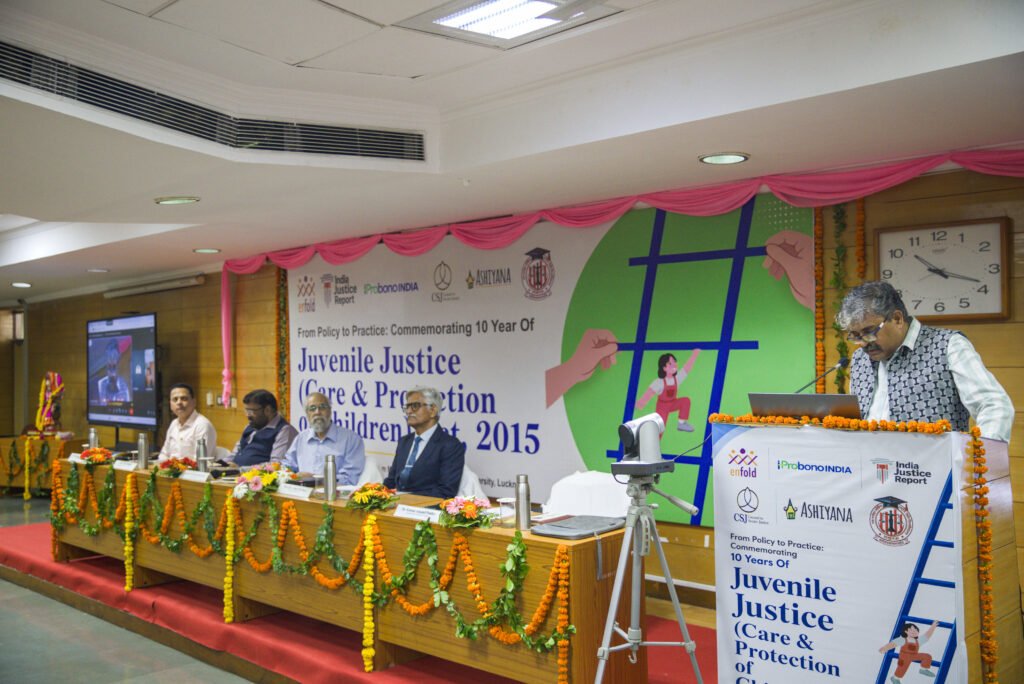
Convened with a special focus on Uttar Pradesh, the consultation brought together judges, lawyers, social workers, District Probation Officers, officials from Child Care Institutions, government representatives, psychologists, mental health professionals, academics, police officials, State Legal Services Authorities, researchers and civil society organisations from over 15 states.
Across the two days, participants examined the entire journey of a child through the juvenile justice system, from apprehension, diversion and age determination to bail, preliminary assessment, transfer to the adult criminal justice system, institutional care, monitoring, rehabilitation and reintegration.
The wide range of participation reflected the reality of juvenile justice. No single institution can ensure justice for children. Making the law work in practice requires the judiciary, police, child protection systems, legal services, mental health professionals, social workers, families and communities to work together.
When a safeguard becomes a gateway to adult prosecution
The most controversial provision of the Juvenile Justice Act, 2015 was the introduction of Preliminary Assessment under Section 15. This allowed for children between 16 and 18 years alleged to have committed a heinous offence to be transferred to the Children’s Court for possible trial as an adult. A transfer can fundamentally alter the trajectory of a child’s life, and undermines the rehabilitative, child-friendly underpinnings of the Juvenile Justice Act, 2000..
The consultation therefore dedicated a focused session to examining how Preliminary Assessments are being conducted across Juvenile Justice Boards, and whether the process is consistent, evidence-based and child-centred.
Yamina Rizvi, Program Manager, iProbono India, highlighted concerns around the arbitrary and discretionary nature of Preliminary Assessments across JJBs. She noted that in Uttar Pradesh, more than 750 children have reportedly been transferred each year following Preliminary Assessment, with transfer rates exceeding 80%.
These figures raise difficult questions.
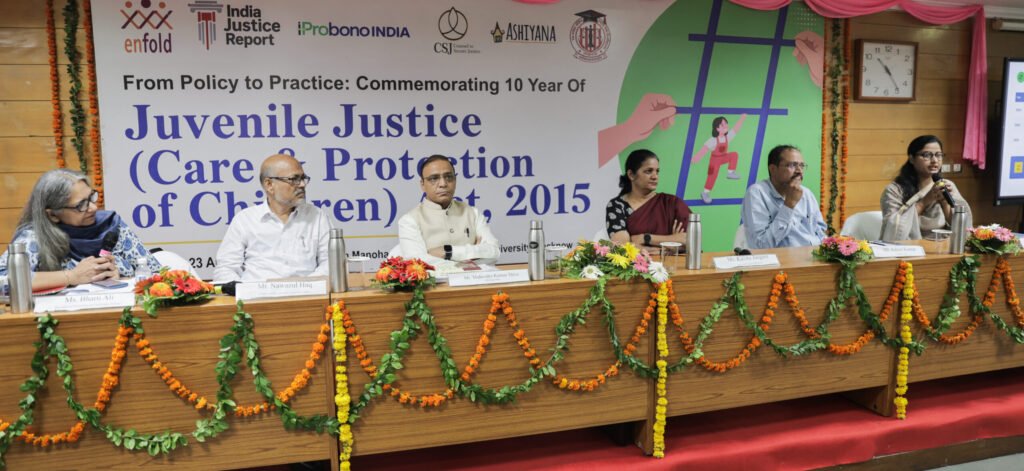
What does this high rate of transfer tell us about how the assessment is being understood and applied? Is it at all possible to evaluate the child’s mental state, that too months or even years after the commission of the offence? Are Boards evaluating the child or the offence? What role are psychologists, mental health professionals, probation officers and other experts playing? And what systems exist to monitor whether assessments are meeting the standards required by law?
The consultation recognised that strengthening Preliminary Assessment cannot be reduced to improving paperwork or procedural compliance. It requires greater consistency in decision-making, access to appropriate expertise, better documentation and data, meaningful scrutiny, and safeguards against arbitrary or outcome-driven assessments.
The session ended with a collective resolution against Preliminary Assessment, with the position that all persons below 18 years should be uniformly dealt with under the juvenile justice system irrespective of the offence alleged.
Accountability cannot stop at the Juvenile Justice Board
The consultation also turned attention to monitoring, accountability and review mechanisms across the broader juvenile justice system.
Deeksha Gujral, Program Director, iProbono India, moderated a session bringing together judicial, government, research and civil society perspectives on strengthening oversight.
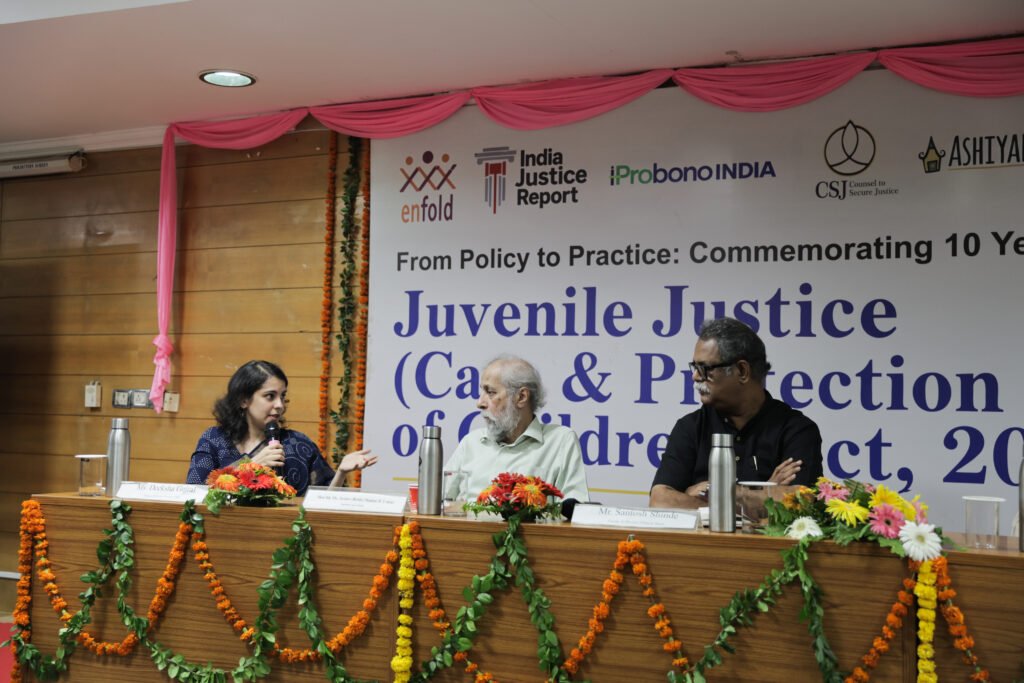
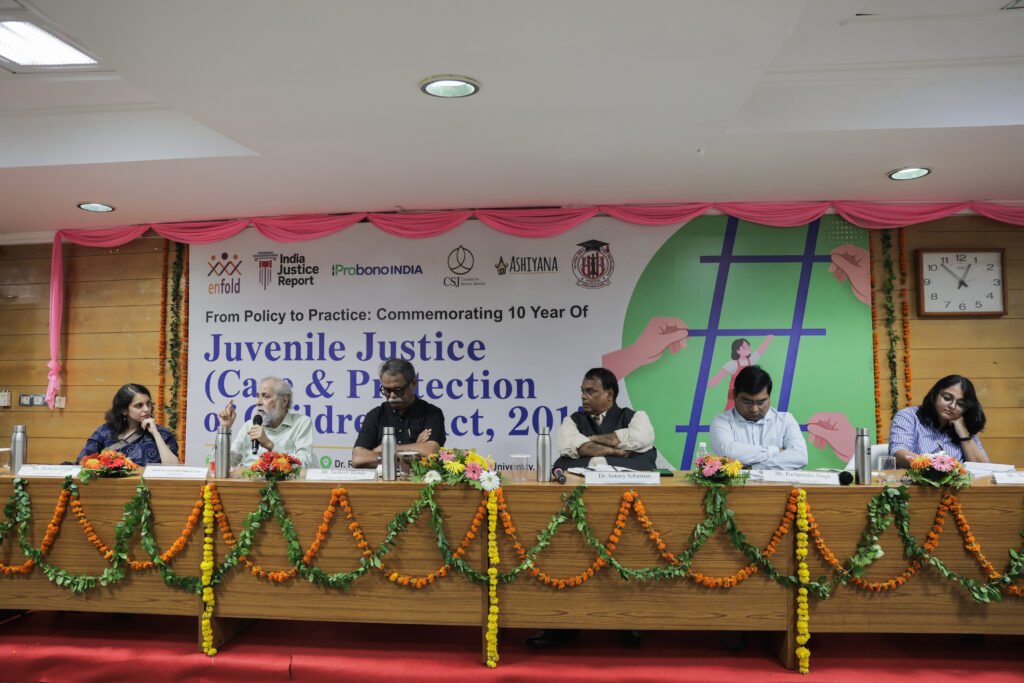
This conversation recognised that accountability is about building systems that can identify gaps, generate reliable data, review institutional performance and ensure that children have meaningful avenues to raise concerns.
For institutions caring for children, this means looking beyond capacity and infrastructure to examine whether children are receiving education, mental health support, legal assistance, family contact, recreation and opportunities for meaningful rehabilitation.
For the justice system, it means asking whether bail, inquiry, assessment and disposal processes are functioning within the spirit and letter of the law.
And for policymakers, it means investing in the evidence needed to understand what is actually happening across districts and institutions.
As Justice (Retd.) Madan B. Lokur observed during the inaugural session, social audits and research are essential to making institutions accountable. He emphasised the need to collect data and examine issues including overcrowding and probationary care rather than allowing systemic problems to remain invisible.
Rehabilitation must mean more than release
Another recurring theme was the need to rethink what rehabilitation means.
A child leaving an institution or completing proceedings is not necessarily a child who has been rehabilitated.
Our Board Director Vaidehi Subramani was a panelist on a session that recognised that rehabilitation requires continuity of care, educational opportunities, mental health and psychosocial support, family and community reintegration, and pathways towards a stable and meaningful future.
This is particularly important because children who come into conflict with the law often do so in the context of complex social, economic, familial and developmental circumstances. A system that focuses only on processing an alleged offence risks overlooking the conditions that contributed to the child’s contact with the law in the first place.
A genuinely child-centred system therefore has to ask a different set of questions. What does this child need? What support can prevent further contact with the justice system? What will enable them to return to education, family and community? And how can institutions ensure that the child has a future beyond their interaction with the justice system?
Building an evidence-driven child rights ecosystem
The consultation also saw the inauguration of the Centre for Child Rights at RMLNLU, a multidisciplinary initiative focused on research, capacity building and evidence-informed advocacy on children’s rights. The Centre is expected to work on data evaluation and research, policy briefs, practical handbooks, standardised tools and annual reporting on the status of child rights and juvenile justice in Uttar Pradesh.
This is significant because one of the clearest lessons from the past decade is that implementation cannot improve without evidence.
The next decade must be different
The participation of stakeholders from across the justice and child protection ecosystem made one thing clear: the challenges facing juvenile justice cannot be addressed by one institution or one profession alone. The next decade must be about building stronger connections between law, institutions, evidence and practice.
It must be holding the juvenile justice system to account, moving from policy to practice, from safeguards on paper to safeguards in reality, from discretion without scrutiny to accountable decision-making, and from institutional responses to meaningful rehabilitation and reintegration.
Most importantly, it must be about keeping the child at the centre of every decision.